

Layton Office
Oral & maxillofacial surgery for Layton, UT.
Address
Layton, UT 84041
Phone
(801) 779-0506Our Layton Practice
Oral Surgery Office in Layton, UT
Are you looking for an experienced oral surgeon in Layton, UT? At OMS of Utah, we provide a full range of specialized services, including dental implants, All-on-4 dental implants, wisdom teeth removal, and corrective jaw surgery. Our goal is to help you achieve optimal oral health with effective, personalized care.
- Request an Appointment
Your Trusted Oral Surgery Experts in Layton
Located conveniently in Layton, our office is dedicated to providing top-quality care. Whether you need a simple procedure or more advanced treatments such as bone grafting or facial cosmetic surgery, we’re here to offer solutions that meet your needs. Our team will work with you through every stage of treatment to ensure the best possible outcome.
- Request an Appointment
Dental Implants & All-on-4
If you're missing teeth, we offer lasting, functional solutions, including full-mouth dental implants. Our team specializes in both traditional implants and the innovative All-on-4 system, a comprehensive option for patients looking to restore their entire smile. With advanced technology and expert care, we ensure a smooth and successful implant treatment experience.
- Request an Appointment
Wisdom Teeth Removal
When wisdom teeth cause pain or alignment issues, timely removal is essential. At our Layton oral surgeons’ office, we perform wisdom teeth extractions with a focus on comfort and efficiency. Using the latest techniques, we ensure the procedure is as painless and swift as possible, so you can recover quickly and return to your daily routine.
- Request an Appointment
Oral Surgery: Jaw & Bone Grafting
Our experienced oral surgeons offer comprehensive jaw surgery and bone grafting services in Layton. Whether you're dealing with jaw misalignment or bone loss, we provide solutions that restore function and prepare your mouth for dental implants.
- Request an Appointment
Expert Support from Consultation to Recovery
At OMS of Utah, your comfort and long-term results come first. From the moment you meet with us, we create a treatment plan that fits your goals and lifestyle. Our team guides you through every step, from consultation to recovery, to deliver the best outcome for your smile and your health.
- Request an Appointment
Schedule Your Consultation Today
If you're ready to explore your options for oral surgery in Layton, call our office or use our online form to schedule a consultation. Our team is here to help you take the first step toward a healthier smile and improved quality of life.
Oral Surgery services offered at Oral & Maxillofacial Surgeons of Utah
Our Services
Explore our list of services offered at our Layton Office. Request an appointment to get started.
Patient Testimonials
Accepted Insurance Plans
Insurance
At Oral & Maxillofacial Surgeons of Utah, we accept a wide range of insurance plans and offer flexible payment options to make treatment affordable. Call us to verify your insurance today!
Call Us TodayCommon Questions
We're here to help. Below you'll find answers to some of the most common questions about visiting our office, scheduling appointments, and what to expect during your visit.
Request an AppointmentWhat can I use for teeth while the implants heal?
Many options are available, and they are tailored to your specific requirements. If you need a replacement tooth while the implants are healing, temporary removable teeth or a temporary bridge can be made. If all of your teeth are missing, we can usually modify your present complete denture or make you a new temporary denture. If you would prefer non-removable teeth during the healing phase, temporary transitional implants usually can be placed along with the permanent implants, and temporary teeth may be made and inserted the same day. Depending on your particular situation, some implants can be placed and “loaded” immediately. This means a temporary or permanent replacement tooth can be placed on, or shortly after, the day the implant is placed.
What are the potential problems after dental implant surgery?
Although it is natural to be concerned about the pain that may be caused by these procedures, most patients do not experience severe or significant post-operative pain. Pain medication and antibiotics will be prescribed for you to make your recovery as easy as possible. Occasionally, some people develop post-operative infections that require additional antibiotic treatment. Even though great care is taken to place the implant precisely, occasionally adjacent teeth are injured in the placement process. In addition, there is a chance that the nerve in the lower jaw, which provides sensation to your lower lip and chin, may be affected. If you are missing a lot of bone, it might be difficult to place an implant without infringing on the nerve space. Although we take great care to avoid this nerve, occasionally it is irritated during the procedure, resulting in tingling, numbness, or a complete lack of sensation in your lip, chin, or tongue. Usually these altered sensations will resolve within time, but they can be permanent and/or painful. If you notify us of post-operative numbness as soon as possible, it will allow us to manage your care in the most appropriate way.
How long will the implants last?
Implants usually last a long time. When patients are missing all of their teeth, long-term studies (more than 30 years) show an 80 to 90 percent success rate. For patients missing one or several teeth, recent studies show a success rate of greater than 95 percent, which compares favorably with other areas in the body that receive implant replacement (such as hips or knees). However, if one of your dental implants either doesn’t heal properly or loosens after a period of time, you may need to have it removed. After the site heals (or on occasion at the time of removal) another implant usually can be placed.
When are the replacement teeth attached to the implant?
The replacement teeth are usually attached to the implant when adequate healing has occurred and your jaw bone is firmly fused to the implant. Depending on a variety of factors, it may be possible to begin this phase of your treatment immediately or shortly after implant placement. We will review the most appropriate treatment sequence and timing for your particular situation. The dental work required to complete your treatment is complex. Most of the work involves actually making the new teeth before they are placed. Your appointments are considered more comfortable and more pleasant than previous methods of tooth replacement. Frequently, this process can be performed without local anesthesia. Your restorative treatment begins with specialized impressions that allow us to produce a replica of your mouth and implants. We will also make “bite” records so that we see the relationship of your upper and lower jaws. With this information, we will make the abutments (support posts) that attach your replacement teeth to your implants. Various types of abutments exist. Frequently, we can use a “stock” abutment, also known as a healing cuff. Other times, custom abutments or healing cuffs can be fully customizable. We use a patented Gingival Cuff Link System (TM). This custom healing cuff can be sculpted to the correct size and shape of the replaced tooth to conform to the individual patient esthetics. You can discuss which option is best with your surgeon. The number of appointments and the amount of time required for each appointment is different for each patient. No two cases are exactly the same and regardless of the number of teeth replaced, the work must be completed with great precision and attention to detail. If you are having only a few teeth replaced, as few as three short appointments may be required. Between appointments, we will need time to complete the necessary lab work to make your replacement teeth. It is most beneficial that you keep all of your scheduled appointments. If your final restoration is a removable denture, you will need to come to as many as five office appointments (although it may be fewer) over the following several months. During these appointments, we will perform a series of impressions, bites, and adjustments in order to make your new teeth, as well as the custom support bars, snaps, magnets, or clips that will secure your teeth to the implants. During this period, every effort will be made to ensure you have comfortable, temporary replacement teeth.
In general, once your implants are placed, you can expect your tooth replacement treatment to be completed anywhere from 1 to 12 months.
How do I clean my new teeth?
As with natural teeth, it is important that you clean implant-supported restorations regularly with toothbrushes, floss, and any other recommended aids. You should also visit your dentist several times each year for hygiene and maintenance. As with regular dentures and other tooth replacements, your implants and their associated components are subject to wear and tear and eventually will need repair, including clip replacement, relines, screw tightening, and other adjustments.
Will one doctor do everything?
Usually, a dental surgeon places the implant(s) and performs other necessary surgical procedures – your general dentist provides the temporary and permanent replacement teeth. Both doctors are involved in planning your dental treatment. Also, depending upon a variety of factors, different dental specialists may help with your dental care.
How much does dental implant treatment cost?
Before treatment begins, every effort will be made to give you an accurate estimate of all the expenses involved in placing the implants and making your replacement teeth. When different doctors are involved in your treatment, you will be charged separately for their services. We will try to assist you in estimating what your actual payments will be after we evaluate your insurance coverage or other third party payments. Also, you should consider your personal financial investment in each treatment option as some insurance companies provide limited or no coverage. Each patient is unique, and it is not possible for us to discuss every option and every contingency for treatment outcome. This website is intended to help you understand the general treatment options available to you. If your specific treatment options are not clear, please contact us. We will be happy to answer any questions you have about your dental care.
How long should my child take off for wisdom teeth removal?
They will probably be too sleepy to do much the first day of your recovery, but most patients are back to their normal activities within 3-4 days.
Does wisdom teeth removal hurt?
No! In fact, your teenager will be adequately anesthetized and won’t feel a thing. It isn’t uncommon for patients to have soreness for a few days following the surgery as the anesthesia wears off. Before surgery, we will discuss pain control methods and set you up with any necessary prescriptions so that they remain comfortable at home as well.
Should my child have all four wisdom teeth removed at once?
Not necessarily. We assess each patient’s oral health thoroughly as we determine the best course of action for each unique case. Sometimes only one or two third molars need to be removed. But removing them all at one time means fewer surgeries if more need to be removed down the road.
Is the third day the worst after wisdom tooth removal?
The third day is typically when the swelling reaches its maximum which means any pain is also its worst around that time. However, our patients who stay on top of interchanging Tylenol with Ibuprofen and ice consistently the first few days manage any discomfort with no problems.
Will my child be sedated during their wisdom teeth removal?
It’s up to them. We have a variety of options of anesthesia to accommodate different patients’ needs, and we discuss anesthesia preferences prior to the surgery day. With IV sedation, which is the most common method, your child will be asleep during the whole procedure. IV conscious sedation is administered safely in our office to get your child through oral surgery with no anxiety. During the entire procedure, they are continually monitored for every vital sign. They will also be breathing on their own, unlike with hospital general anesthesia where they’d be intubated with a breathing tube during surgery. It doesn’t require that much medication to keep your teenager asleep during surgery since the first thing that we do once they are asleep is numb all the surgical sites. Once they are numb and comfortable, it takes relatively low amounts of medicine to keep them asleep during the surgery.
How much will my insurance cover for wisdom teeth removal?
We recognize that your insurance may help you pay for part of your care. Your insurance coverage is a contract between you and your insurance carrier. As a courtesy, we will bill services provided in our office to your insurance carrier with the complete information you have provided. Visit our Insurance Frequently Asked Questions. An initial payment is often required at the time of service depending on your insurance benefit and coverage. To help alleviate unexpected financial obligations, we recommend that you contact your insurance company to verify your treatment plan for your procedure. Also, if you require monthly payment options, we recommend PatientFi. They offer quick acceptance and low monthly patient options.
Our Staff
Staff at this location
Meet the friendly faces behind your smile! Our compassionate team is here to make every appointment comfortable, stress-free, and tailored to your unique needs. From your first call to your follow-up care, you're in expert hands.
Oral & Maxillofacial Surgeon
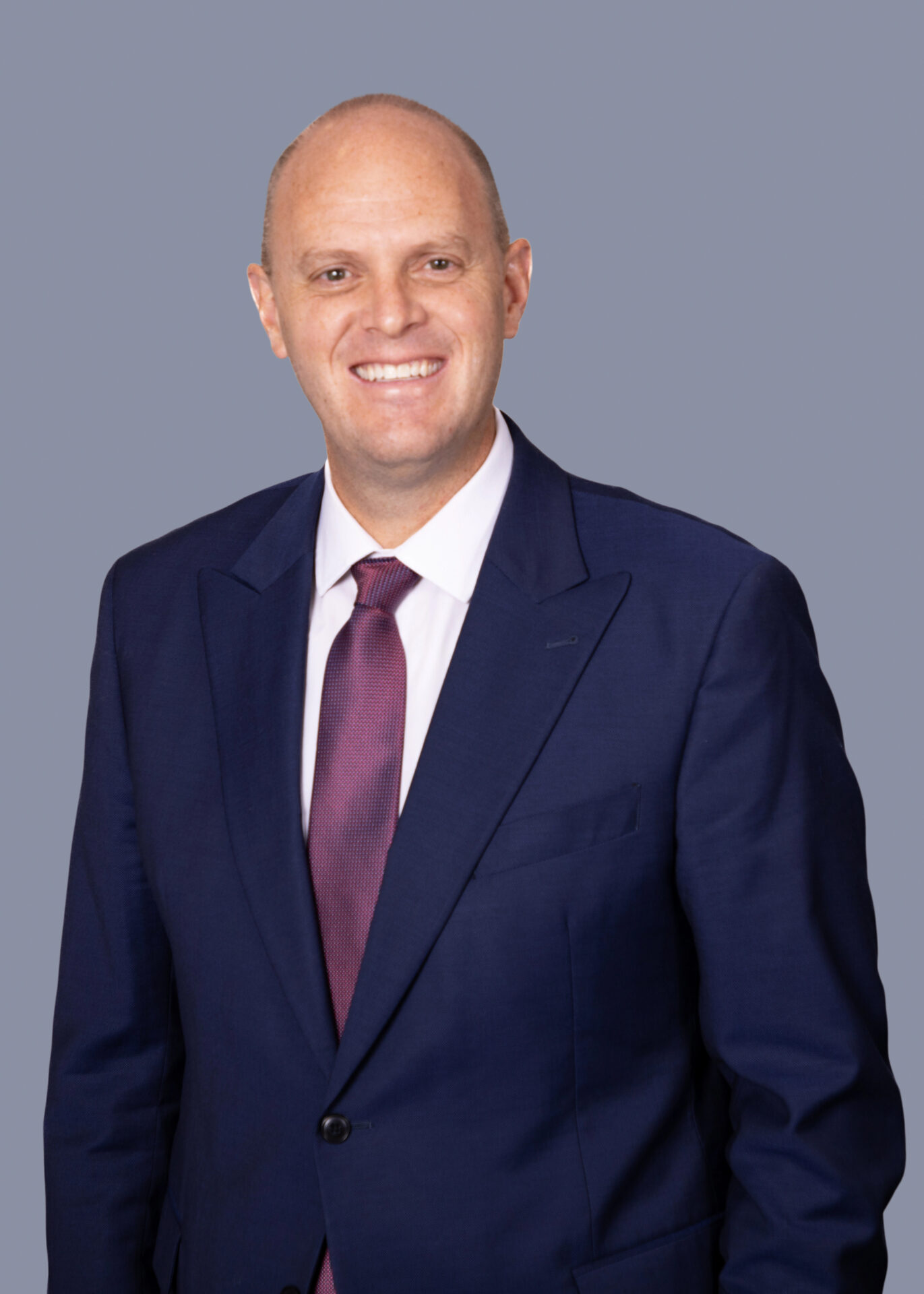
Oral & Maxillofacial Surgeon

Oral & Maxillofacial Surgeon

Oral & Maxillofacial Surgeon
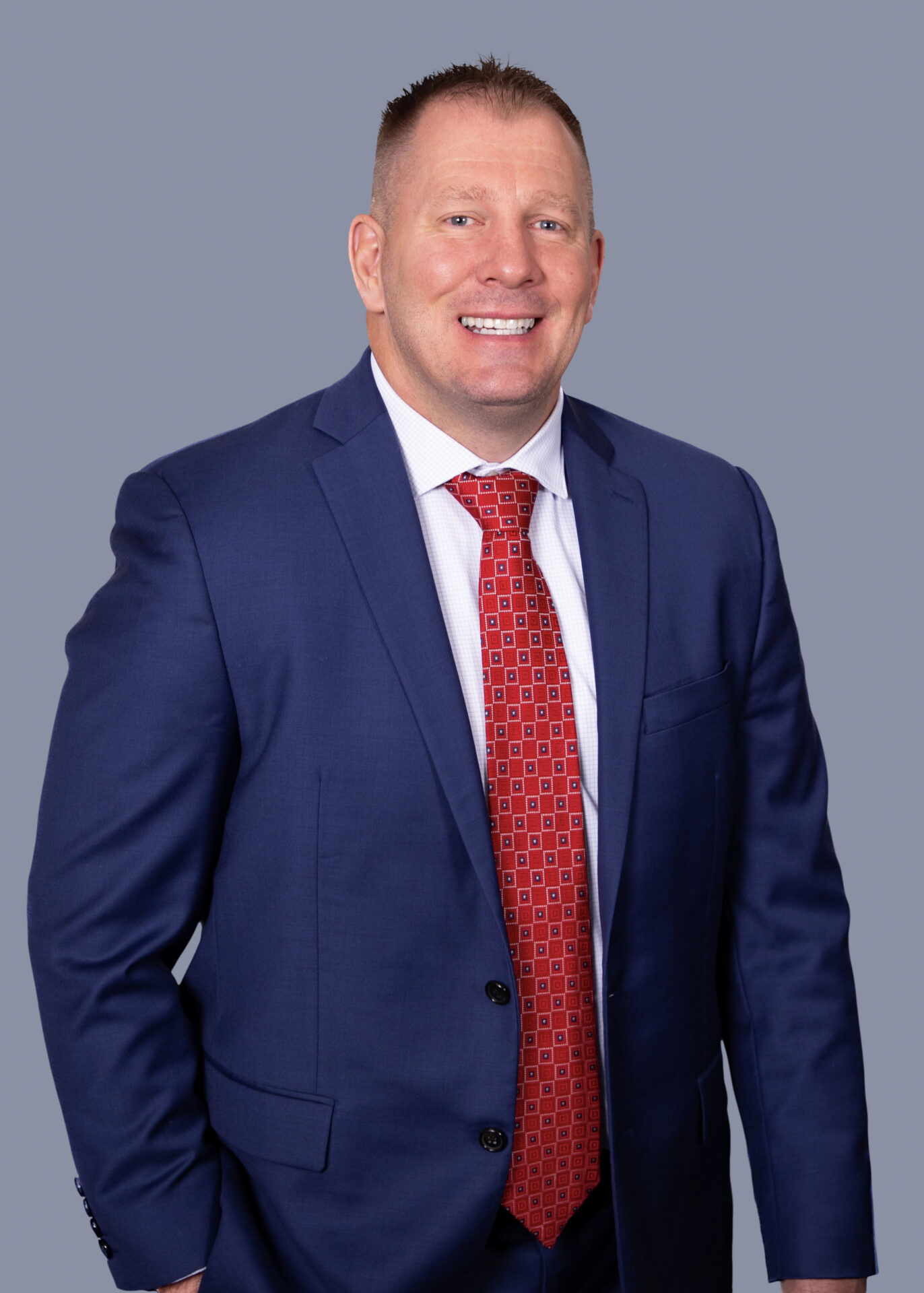
Oral & Maxillofacial Surgeon

Start Your Smile Journey Today!
Fill out the form below to request an appointment and transform your smile!
- Flexible Financing Available – Affordable payment plans to fit any budget
- Advanced Technology – State-of-the-art equipment for comfortable, precise treatment
- Experienced Professionals – Board-certified dentists with decades of combined expertise
- Comprehensive Care – From routine services to complete smile makeovers